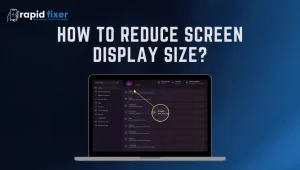
When your screen is excessively large, magnified, or even difficult to use, you are likely to be working with incorrect scaling, resolution or zoom values. It is common to find many individuals on the internet seeking advice on how to reduce screen display size when icons, texts, and applications are oversized and do not fit in the screen. This step-by-step guide will describe the meaning of screen display size, how it can vary, and how to shrink it right on Windows, Mac, Android, and iPhone.
Table of Contents
What Does “Reduce Screen Display Size” Actually Mean?
Minimizing the size of your screen does not imply physically downsizing your monitor or phone. It refers to changing the scale of everything on your screen. This may include altering display scaling, screen resolution, zoom, or accessibility configuration.
When the screen size is smaller, more information is on the screen, text is smaller and the interface appears more balanced. It works with individuals who inadvertently turned on zoom, modified the resolution, or turned on enormous display settings.
Some of the commonly used terms in relation to this issue are zoom out screen, reduce display scale, decrease screen size, change screen resolution and fix oversized display.
Why Does the Screen Look Too Big?
Your screen may suddenly seem bigger due to a variety of reasons. When a monitor is attached, operating systems automatically adjust scaling. Certain updates reboot resolution. Magnification of accessibility can be activated. Zoom is also independently applied by browsers. Knowing the cause allows you to implement the appropriate fix rather than make arbitrary setting changes.
How to Reduce Screen Display Size on Windows 10 and Windows 11
Adjust Display Scaling
Windows implements a scaling mechanism which magnifies text and interface objects to high-resolution displays. When the scaling is incorrectly configured, all things appear larger than life.
Open the Start menu and navigate to Settings. Go to System, then Display. You have a percentage in the Scale and Layout section which is 125 or 150 percent. In order to minimize screen display size, reduce this value to 100% or 125% (whichever is comfortable). Once the scale has been altered, you may be prompted to sign out by windows to achieve the best result.
Change Screen Resolution
Resolution determines the number of pixels that are utilized in representing the content. When the resolution is reduced, everything is larger. To correct on the same, remain on Display Settings and search Display Resolution. Choose an option that is indicated as recommended which is most often the highest resolution your monitor can support. This will automatically sharpen the display and shrink the on-screen elements.
Zoom Settings in Applications and Browsers
In some cases, the system scale is right, yet the only thing that is zoomed is a browser or app. Most windows apps, and all popular browsers allow you to zoom out with the Ctrl key, plus the minus key. A Ctrl+zero reset zooms default. This will immediately minimize screen contents without altering system settings.
How to Reduce Screen Display Size on macOS
Use Display Scaling
On an Apple, navigate to System Settings and Displays in the Apple menu. You will find display options like Larger Text and More Space. To make the screen smaller and accommodate more information, use More Space. This environment reduces the size of interface elements without affecting sharpness.
Change Resolution Manually
You may also select a resolution in the Displays section. A larger resolution will reduce the size of items on screen. Mac OS can resize the interface automatically and thus a higher resolution that is nearest to the native display will yield the best result.
Zoom Controls
When the issue arises only in applications or browsers, zoom out using Command and the minus key. To restart zoom to its original position, press Command and zero. macOS also has an accessibility zoom option available to make the whole screen larger. When this is allowed, you will have the option to turn it off in System Settings in the Accessibility category, and then Zoom.
How to Reduce Screen Display Size on Android Phones and Tablets
Adjust Display Size and Font Scaling
Android gives you the option of changing the display size and font size independently. Open Settings and choose Display. Find Display Size or Screen Zoom. Drag the slider to the left to make icons and interface elements smaller. Next open Font Size and change it to Default or Small in case text remains too big.
Disable Magnification Gestures
Accessibility Some devices are magnified and may zoom the whole screen. In Settings, select Accessibility and locate Magnification. Make sure it is turned off. This will stop trying to zoom accidentally at three times and having everything look enormous.

How to Reduce Screen Display Size on iPhone
Change Display Zoom
On an iPhone, tap into Settings and select Display and Brightness. Scroll down to Display Zoom. You will see a larger interface when you set it to Zoomed. To implement changes, choose Standard and then reboot the phone. This will automatically decrease the size of the display and revert everything to a normal size.
Adjust Text and Accessibility Zoom
In case the text remains large, use Accessibility, Display and Text Size and drop the text size slider. You can also turn off the Zoom option in Accessibility, which should be disabled unless you need to use the magnification specifically.
How to Reduce Screen Size in Web Browsers
Browsers can be confusing as they have a zoom level of their own, not connected to the system. When it is only sites that appear big, the answer is easy. On a Windows, Ctrl minus, or, on a Mac, Command minus, to zoom out. To bring everything back to zero, use Ctrl or Command and zero. It is also possible to open browser settings where default zoom is established as 100%.
Understanding Screen Resolution vs. Display Scaling
Resolution and scaling are confused by many users but are distinct. Resolution determines the number of pixels, and scaling determines the size of those pixels. Even a high resolution with high scaling can appear large and a low resolution with low scaling can appear blurred. The optimum combination is a moderate scaling and the native resolution. This arrangement keeps the monitor crisp and ensures that text and icons are large enough.
When You Should Not Reduce Display Size Too Much
Reducing the size of the screens allows to fit more content, but overdoing it may make everything too small and strain the eyes and influence the readability. A balance of text clarity and icon recognizability is more desirable. Slightly larger text with proper resolution is healthier compared to very small scaling in case of long working hours.
Troubleshooting Common Problems
Screen Still Looks Zoomed After Changing Settings
Restart the device. Certain scaling commands are not active until a reboot or sign-out.
Only One App Looks Oversized
Check the internal zoom or view settings in that app. Most design software and document readers retain zoom level per file.
External Monitor Looks Too Big or Too Small
Both monitors have scaling and resolution settings. In your system settings, choose the external display and scale and resolution individually.
Best Practices for Comfortable Screen Viewing
It is better to always use the native resolution of your display. Reduce scaling gradually, rather than shifting between very large and very small. Always use browser zoom to 100 percent unless you have a particular reason to do so. Turn off unnecessary accessibility zoom options. Always revisit display settings after any significant update since operating systems have a tendency to revert.
Conclusion
The primary concept of learning how to reduce screen display size of the screen is: a big part is based on the knowledge of scaling, resolution, and zoom options. It depends on which operating system you use, whether Windows, macOS, Android, or the iPhone, but the general workaround is to reduce display size, select an appropriate resolution, and disable undesired zoom options. Using the steps in this guide, you can repair the oversized screens, restore your interface to a comfortable size, and make sure your device shows the content in all apps and websites clearly and professionally.
FAQs About How to Reduce Screen Display Size?
What does “reduce screen display size” mean?
Small screens screen display size refers to has made the text, icons, and other interface elements smaller on your device. This is achievable through a modification of display scaling, screen resolution, or zoom levels. It does not physically make your monitor or phone screen smaller.
How can I reduce screen size on Windows 10/11?
The Windows reduce display size by adjusting the display scale in the Display settings, increasing the screen resolution, or changing Ctrl + in browsers and applications to zoom out.
How do I make everything smaller on a Mac?
On a Mac, open System Settings and go to Displays before selecting More Space under the scaled options. You may also manually adjust your resolution or zoom out in apps using Command + -.
Can I reduce display size on Android?
Yes. In Settings, Display, Display Size, move the slider to the right to Smaller. You might also change Font Size to shrink text and turn Magnification Gestures to Disabled in Accessibility.
How do I reduce screen size on iPhone?
Go to Settings and under Display and Brightness, then display zoom and choose Standard. Also verify Accessibility → Zoom and ensure that it is switched off.